
The Case for Expanding Financial Services to Pastoralist Communities
Blog post description.
4/28/20251 min read
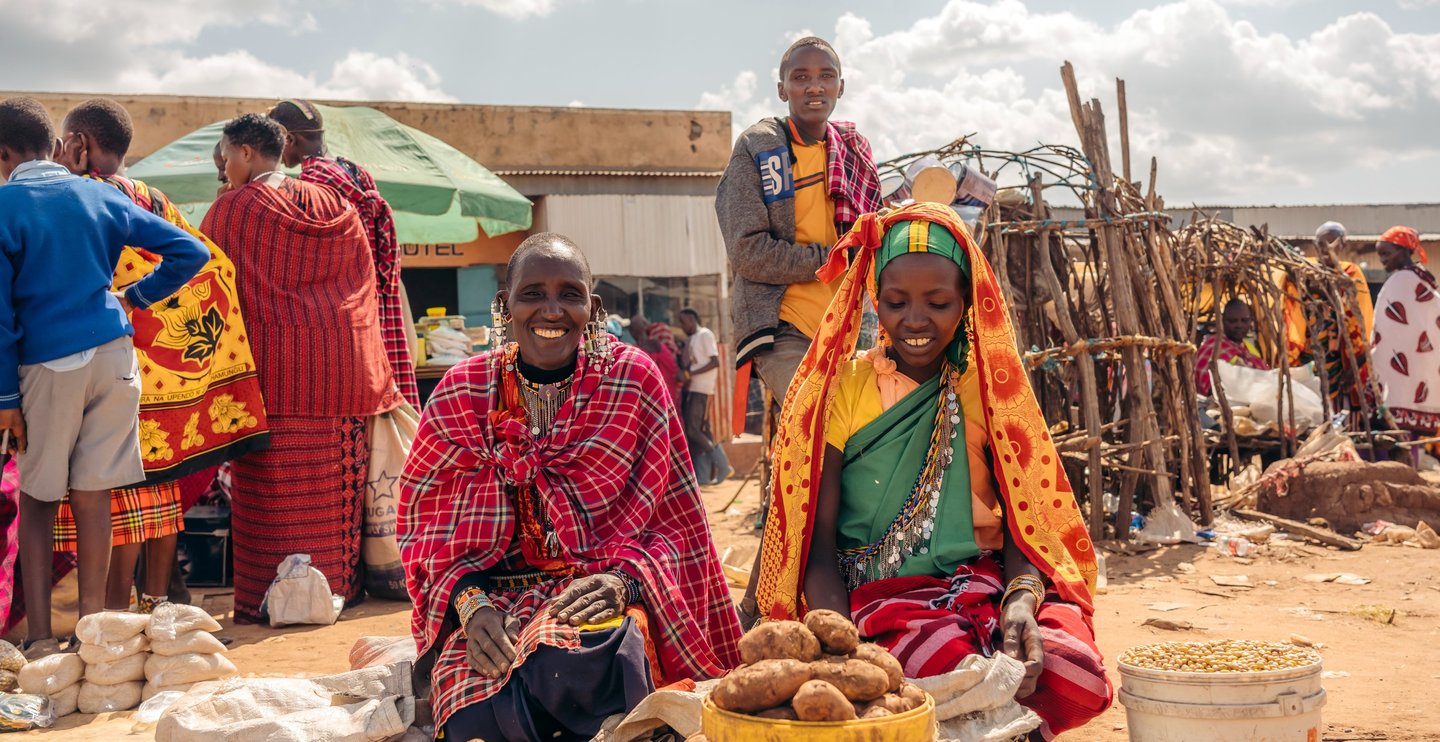
Pastoralist communities in rural Tanzania, particularly women and youth, face systemic financial barriers that hinder their economic development. Addressing these challenges by expanding financial services is not only a matter of inclusion but also a catalyst for economic growth and poverty reduction.
· Lack of rural infrastructure takes valuable time and energy away from income-generating activities and prevents financial services from reaching remote areas, leaving pastoralists without essential banking support.
· Low financial literacy and numeracy limit economic participation, making it difficult for communities to manage and grow their resources effectively.
· Economic exclusion forces pastoralists to rely on informal and often unreliable financial systems, preventing business growth and long-term investment.
· The digital divide further isolates pastoralist families by limiting their access to digital banking and modern financial tools.
· Exclusion of women and youth exacerbates inequality, as traditional norms restrict their financial independence and ability to own property, a key requirement for securing loans.
· Cycles of poverty and economic instability negatively impact on livelihoods
· Limited access to financial services from systemic barriers such as lack of collateral and formal documentation further prevents pastoralists from integrating into the formal economy.
Our microfinance products and services are designed to overcome each of these barriers and to promote the fiscal strength and resilience of each our clients]
Physical address: Arusha Bypass Road, Arusha Tanzania
Postal Address: P.O.Box17069 Arusha, Tanzania
Phone: +255(0) 799772003
Email: theresiaengishon@gmail.com
Website: www.engishon.org
suBSCRIBE TO OUR NEWSLETTER
© 2025. All rights reserved.
About Us
Contact Us
quick links